Title: An Introduction to APS Production Scheduling Systems
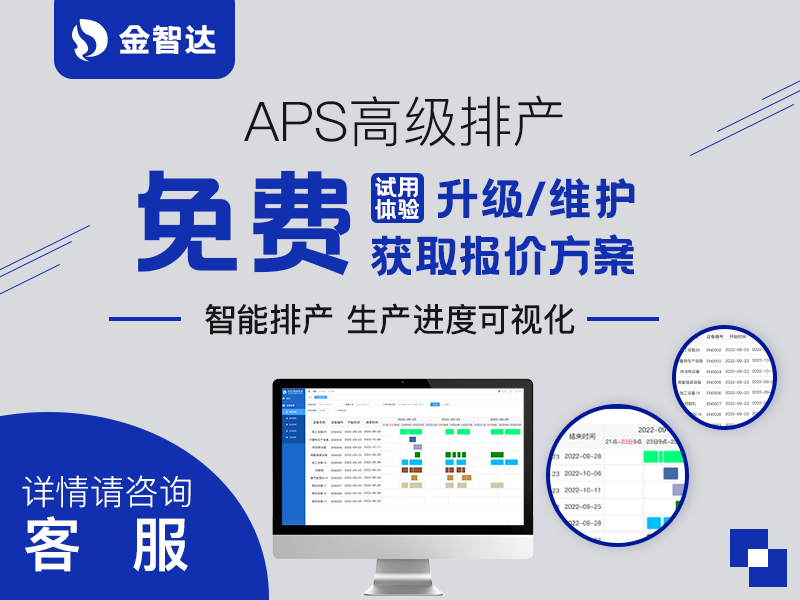
APS, or Advanced Planning and Scheduling, refers to a type of software that is designed to optimize production scheduling in manufacturing facilities. These systems use algorithms and mathematical models to analyze production data, forecast demand, and create an optimized production plan.
The benefits of APS systems include improved production efficiency, reduced lead times, and increased customer satisfaction. By optimizing production scheduling, APS systems can help manufacturers reduce waste, minimize downtime, and maximize production output.
There are several key features and functions that are typically included in APS systems. These include scheduling tools, forecasting modules, capacity planning tools, and reporting and analytics capabilities. Depending on the specific needs of the manufacturing facility, APS systems can be customized to include additional features and functions.
One of the most important factors in the success of an APS system is the quality and accuracy of the underlying data. This includes data on production capacity, demand forecasts, inventory levels, and other key metrics. By ensuring that the data is accurate and up-to-date, manufacturers can ensure that their APS system is providing optimal results.
In summary, APS production scheduling systems are powerful tools that can help manufacturers optimize production scheduling and improve overall efficiency. By leveraging advanced algorithms and mathematical models, these systems can help manufacturers reduce waste, minimize downtime, and maximize production output. With the right data inputs and customization, APS systems can be tailored to meet the unique needs of any manufacturing facility.
Optimized title: How APS Production Scheduling Systems Optimize Manufacturing Efficiency